
Field Sobriety Tests in Shreveport, Louisiana: Are They Required, and Can You Refuse?
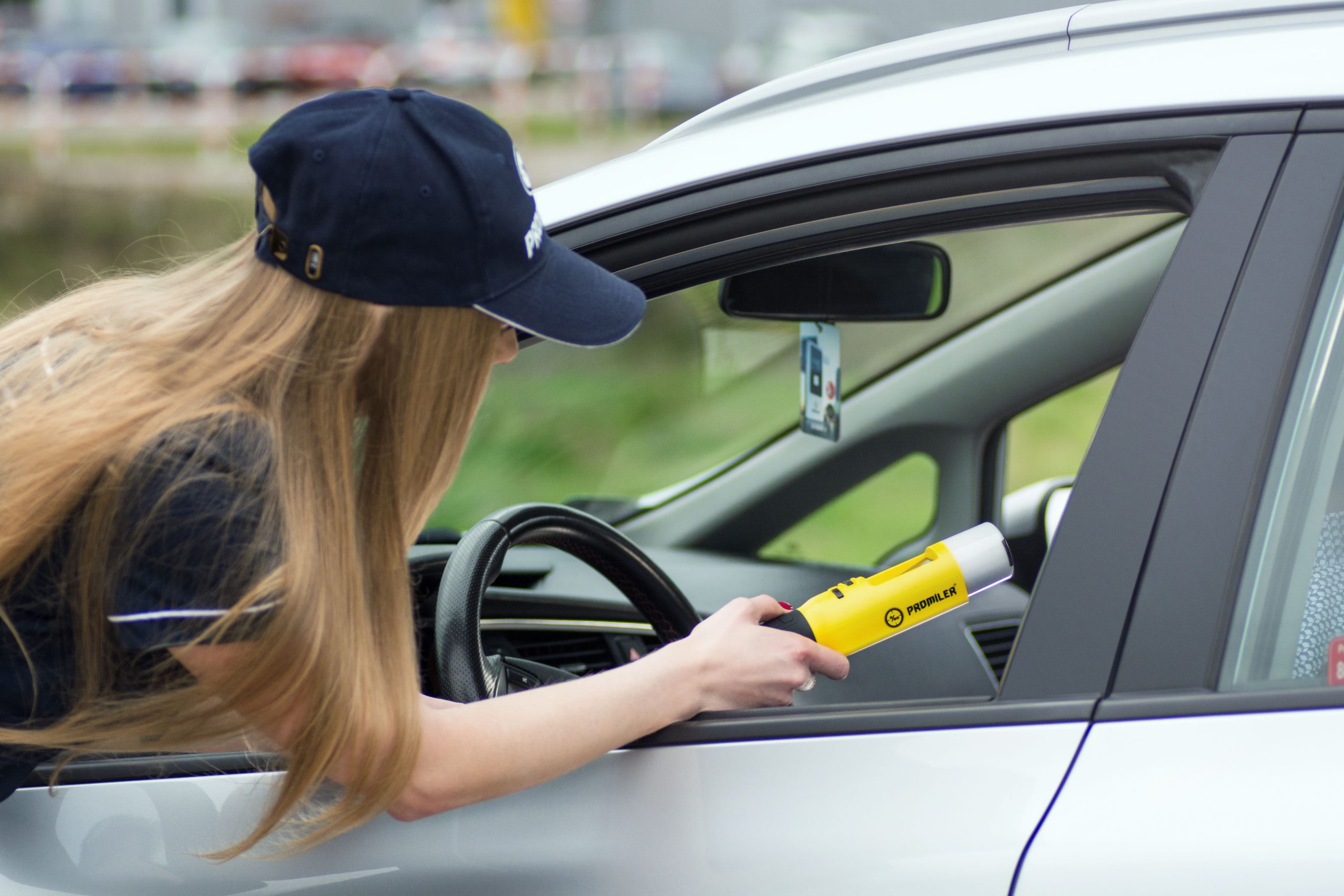
Getting pulled over and asked to step out of your car for a field sobriety test is unnerving, and most people aren’t sure in the moment whether they actually have to comply. The short answer is that field sobriety tests work differently than the breath or blood test you may have heard about, and knowing the difference matters for how you respond during a stop.
Two Different Kinds of Testing After a DWI Stop
Traffic stops involving suspected impairment generally involve two distinct categories of testing, and they aren’t governed by the same rules. Field sobriety tests are the roadside physical tests an officer asks you to perform, like walking a straight line or standing on one leg. Chemical tests, meaning a breath or blood test, fall under a completely different legal framework known as implied consent. Understanding which category applies to a given request is the first step in understanding your options.
Are Field Sobriety Tests Required?
Field sobriety tests are generally voluntary. Unlike chemical breath or blood tests, standardized field sobriety tests aren’t tied to implied consent laws, and declining to perform them doesn’t typically carry the same automatic penalty that refusing a chemical test does. That said, an officer can still use your refusal, along with other observations from the stop, as part of the basis for an arrest, so declining doesn’t necessarily prevent you from being taken into custody.
Can You Actually Refuse a Field Sobriety Test?
Yes, you generally can decline to perform field sobriety tests. Refusing isn’t itself a separate criminal offense the way refusing a chemical test can trigger administrative consequences. However, an officer who already suspects impairment based on driving behavior, appearance, or the smell of alcohol may proceed with an arrest regardless of whether you perform the tests, and your refusal may still come up as part of the state’s case.
Why Chemical Tests Work Differently
Chemical tests, meaning breath or blood tests typically administered after an arrest, fall under Louisiana’s implied consent law, and refusing one can trigger automatic license issues separate from the criminal case itself. Because implied consent carries these administrative consequences, and because the specific penalties can change over time, it’s important to talk to an attorney quickly if you’ve refused a chemical test, so you understand exactly what you’re facing and how much time you have to respond.
Why Officers Ask You to Perform Field Sobriety Tests Anyway
Even though field sobriety tests are voluntary, officers rely on them to build additional evidence supporting probable cause for an arrest. Performance on these tests, along with an officer’s other observations, often becomes part of the evidence used to justify the stop leading to an arrest and, eventually, the criminal charges that follow.
Common Field Sobriety Tests You Might Be Asked to Perform
The most frequently used standardized field sobriety tests include the walk-and-turn test, the one-leg stand, and the horizontal gaze nystagmus test, which involves an officer observing eye movement while you follow a moving object. Each of these tests has a specific administration protocol that officers are trained to follow, and how closely that protocol was actually followed can matter quite a bit later in a case.
Why Proper Test Administration Matters for Your Defense
Field sobriety tests are only as reliable as the way they’re administered. Whether an officer followed proper procedure, whether conditions at the scene, like uneven pavement or poor lighting, may have affected performance, and whether the officer had the training required to administer and interpret the tests correctly can all become important questions in building a DWI defense.
The Two Separate Processes You May Be Facing
A DWI stop can lead to two separate tracks that move on different timelines: a criminal case addressing potential penalties and conviction, and a separate administrative process through the state that can affect your driver’s license. This administrative process often moves quickly, particularly following a chemical test refusal, which is one of the most important reasons to speak with an attorney as soon as possible after an arrest.
Facing a DWI Stop or Arrest in Shreveport?
At Mark J. Miciotto, L.L.C., we help clients throughout Shreveport, Bossier City, and Northwest Louisiana navigate both the criminal and administrative sides of a DWI or DUI case, including challenging field sobriety test administration, breathalyzer reliability, and the basis for the initial stop. Learn more about our full range of criminal defense services.

